
Being a parent in 2026.... nope.
Being a parent in this modern era.... also nope.
I kind of can't stand these tropes, be it a YouTube video, a blog post. It just never ages well. And I'm not under any illusions here, in keeping with "everything that's old is new again", I can't in good faith pretend I'm grappling with a problem that no parent has ever had to tackle.
My son wants to do a thing, his friends get to do this thing (some with and many without a parent's approval) and I wont stand for it. The "thing" of course is play Fortnite. Sometimes the "thing" is to play Roblox without restriction. While Fortnite and Roblox may feel like very 2026 or "modern era" challenges, the old thing that's new again is FOMO - Fear of Missing Out.
This isn't new! In my era it was things like who gets to watch the Simpsons and who's told they're not old enough. Who is able to collect Ninja Turtles and who's told it's just plastic rubbish. Who gets to have a sleep-over and who isn't. According to Wikipedia, FOMO as a term is relatively modern, it was coined by Patrick McGinnis in 2004. The term is relatively new but the feeling is as old as human society. That feeling that you're not part of the pack, not getting the experience others are getting. The feeling that something worthwhile is passing you by.
Maybe I should have titled this post "FOMO"? But I didn't. I didn't title it FOMO because FOMO isn't actually the point. FOMO is one of many tools being weaponised against your children.
Let me ask, have you ever had to wrangle a tablet or controller out of your child's hands at dinner time? I remember my own childhood: I could hit pause and come to the table. With always-online games taking over pausing feels quaint by comparison.
As I write this, it's grey and raining in Melbourne today. Whether it is a rainy weekend or school holidays, many of our kids love diving into massive online multiplayer experiences. Speaking to other parents a clear picture has emerged. As kids play online more, there's a shift in behaviour: the intense anxiety over missing an event, the constant pleas for premium currency, and the general stress surrounding screen time boundaries.
Many of these issues do not stem from the core gameplay itself, but from manipulative design choices hidden beneath the surface. So in my household I put in place restrictions, I enforced physical boundaries. These measures addressed the manipulative design choices but the FOMO was still ever present.
Before I continue onwards, I'm going to signpost two bug caveats.
Caveat 1: I'm going to discuss a specific game, this isn't intended to sound like a love letter - but I love what I'm seeing.
Caveat 2: Appropriate for your child may differ. The game does involve battle mechanics and the use of fire-arms. This isn't for all ages or all maturities.
So we were battling FOMO. My son's friends get to play Roblox - I let him on for brief periods at a time, but I'm fundamentally agains the game.
Some of my son's friends get to play Fortnite - I don't let him on this one at all.
My issue with these games is actually the game mechanics, it's the dark patterns, their weaponisation of FOMO even if you are involved and playing the game. Fortunately, I believe I've found some game developers who are choosing a different path. I was looking for an online multiplayer experience that scratches that "battle royale" multiplayer itch without exposing my kids to manipulative traps, Super Animal Royale (SAR) appears to offer a refreshing, family-friendly alternative.
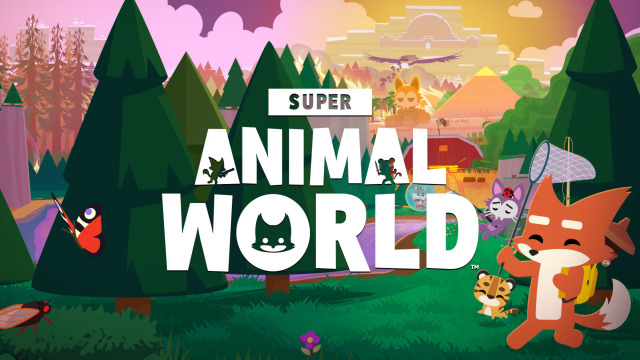
In this post I want to dive in and discuss some of the prevailing monetisation and engagement patterns of the modern gaming industry and how SAR seems to buck that trend. This isn't supposed to be an endorsement of the game, rather I'm hoping to help you make an informed decision for your child.
Understanding Dark Patterns in Modern Gaming
Egh, modern, there's that word again. Anyway, I digress....
To understand why Super Animal Royale looks like such a breath of fresh air, we first need to look at what it is up against. The modern gaming market (particularly dominant titles like Fortnite and the sprawling Roblox ecosystem) frequently relies on design strategies that strain family boundaries. Many of these systems utilise what the industry calls "dark patterns". These are user interface designs meticulously crafted to trick or coerce players into spending more time or money than they originally intended.
When we contrast these games directly with industry standards, several predatory design patterns emerge:
- High Battle Pass FOMO: In games like Fortnite or Apex Legends, battle passes operate on an intense Fear Of Missing Out (FOMO) where passes expire automatically at the end of a brief two-to-three-month season. Unlocked items are lost forever if the pass is not completed. This leverages psychological loss aversion, creating a hook where a child feels that if they do not play for several hours a day, the money spent on that pass is completely wasted because the season is coming to an end.
- Loot Boxes and Chance Mechanics: While traditional blind crates are slowly declining in some mainstream titles, they are still present across the industry via card packs or "gacha" mechanics. Within the Roblox ecosystem, the reliance on chance is severe, frequently pushing "spin wheels," pet hatching, and mystery eggs with fractional win percentages that closely mimic gambling behaviours.
- Pay-to-Win (P2W) Advantages: While some mainstream titles keep purchases low-to-moderate and mostly cosmetic, occasional character abilities or weapon skins still provide minor competitive advantages. Meanwhile, individual games inside Roblox feature extreme P2W designs, heavily favouring players who purchase powerful gear, weapons, or VIP passes over those who do not spend real money.
- Aggressive Daily Commitments: The industry standard utilises "Daily Log-in Streaks" and expiring daily challenges to actively punish players who take a well-deserved break. Similarly, the Roblox ecosystem frequently uses daily reward multipliers to establish rigid, daily screen-time habits early on.
Just think about this for a moment. Large businesses are dedicating time, effort and resources to engineer addictive behaviour in children. It's a concept that really doesn't sit well with me, but it's a feature of the world today.
How Super Animal Royale Rewrites the Rules
Developed by Pixile Studios, Super Animal Royale serves as a direct, ethical contrast to these high-pressure modern norms. Instead of relying on psychological tricks to keep children hooked, the developers have deliberately designed a system that respects both your child's time and your wallet.
Let's look at the contrast:
| Metric | Industry Standard (e.g., Fortnite, Apex Legends) | Roblox Ecosystem | Super Animal Royale (SAR) |
|---|---|---|---|
| Battle Pass Expiration | High FOMO: Passes expire at the end of a 2-3 month season. Unlocked items are lost forever if not completed. | Varies: Highly fragmented; many individual games use aggressive, expiring passes. | Zero FOMO: The "Animal Pass Archive" allows players to keep and complete any pass from any season indefinitely. |
| Loot Boxes & Chance | Declining but present: Some games still use blind crates, card packs, or "gacha" mechanics. | Severe: Heavy reliance on "spin wheels," pet hatching, and mystery eggs with fractional win percentages. | None (Paid): Real-world money cannot buy randomised crates. The premium shop is strictly "direct purchase". |
| Pay-to-Win (P2W) | Low to Moderate: Mostly cosmetic, but occasional character abilities or weapon skins provide minor advantages. | Extreme: Game design heavily favours players who purchase powerful gear, weapons, or VIP passes. | Zero: Purchases are 100% cosmetic (clothing, umbrella skins, gravestones). All players have identical base stats. |
| Daily Commitment | High: "Daily Log-in Streaks" and expiring daily challenges punish players who take breaks. | High: Frequent use of daily reward multipliers to establish daily screen-time habits. | Low: No daily log-in streaks. Weekly and seasonal challenges carry over, meaning there is no penalty for taking days off. |
The Archive System: The Death of Loss Aversion
To completely bypass the high-pressure FOMO tactics of competitors, SAR uses an innovative "Archive" system. While players can buy the current season's pass, they can also freely browse the Archive to purchase and activate any previous season's pass instead. Once owned, an Animal Pass never expires. Your child can take a six-month break and pick up exactly where they left off, entirely removing the anxiety of loss aversion.
How Pixile Defeats the "Leftover Currency" Trap
In the video game industry, a classic monetisation trick is the "currency mismatch" dark pattern. A game might price an item or a battle pass at an odd amount like 550 virtual coins, but only sell currency bundles in fixed quantities of 500 or 1,000. This leaves a lingering balance of unspent coins in a child's account, creating a subtle psychological nudge to buy more bundles to clear out or "even out" the remaining balance.
Pixile Studios avoids this specific trap through clear, transparent choices with its premium currency, S.A.W. Tickets:
- The Season Starter Pack Alignment: A current season's Animal Pass costs exactly 550 S.A.W. Tickets. Alongside every single season, Pixile releases an official standalone "Season Starter Pack" DLC across game storefronts (like Steam, PlayStation, and Nintendo). This pack costs a low flat rate and contains exclusive cosmetics alongside exactly 600 S.A.W. Tickets. This allows parents to make a single, direct, low-cost purchase that completely covers the current battle pass without being forced into an oversized bundle.
- Linear and Understandable Scaling: When buying premium ticket bundles directly, the conversion math remains straightforward and proportional. Pixile keeps the exchange rate relatively simple and the shop entirely transparent.
- No Scarcity Triggers: While shop items rotate, they recur frequently in the storefront. There are no "one-time-only, never-returning" item threats designed to force impulsive or rushed spending habits from your children. What you see is strictly what you get.
Beyond Battle Royales: How Minecraft and Minecoins Compare
This one stings. Minecraft was always the "safe haven". The Java version really embuded the "hacker mentality", modification, tweaking and customisation. The latest "Bedrock Edition" howver has seen more and more dark patterns emerge. Unlike Super Animal Royale or Fortnite, Minecraft is a creative sandbox game rather than an elimination shooter. Yet, its virtual economy presents unique structural hurdles for parents through its reliance on Minecoins.
While Minecraft does not feature an aggressive, seasonal battle pass structure in its base game, it leverages other subtle commercial designs that mimic industry tricks:
- The Currency Disconnect: Minecoins serve as an intermediary currency between real-world money and digital goods (such as custom worlds, texture packs, and character skins). This design choice psychologically disconnects children from the true financial impact of their spending, making 500 Minecoins feel like a generic game element rather than hard-earned dollars.
- Pricing Fragmentation: Minecoins are typically sold in fixed bundles. However, marketplace items are frequently priced in odd increments that do not align perfectly with those bundles. This leaves a lingering balance of unspent coins in a child’s account, subtly nudging them to purchase another bundle to clear out the remainder—a classic "currency trapping" dark pattern.
- The Visual Weight of the Marketplace: In the Bedrock version, the Marketplace button is often one of the most visually dominant elements on the main menu. It is intentionally placed to draw a child's eyes and clicking habits toward continuous commercial content.
Respecting Family Boundaries and Player Time
One of the greatest points of friction for parents is trying to enforce screen time limits when a child is locked in an endless online match. Pixile Studios addresses this tension beautifully through the game’s core match loop.
An average match in Super Animal Royale lasts just 5 to 8 minutes. Contrast this with Fortnite, where a single match can drag on for 15 to 22 minutes, or League of Legends, which can lock a player in for 30 to 45 minutes.
Why this matters for parenting: Shorter matches make boundaries incredibly easy to enforce. It is highly practical to say, "Finish your current match and turn off the device," because the wait is never more than a few minutes.
This respectful design reflects the overall integrity of the developers. Pixile Studios is an independent developer that has maintained a highly positive, transparent relationship with its community while publicly advocating for "player-first" progression models. Crucially, the game's economy has remained remarkably stable since its 2021 release, successfully resisting the industry trend of creeping in-game inflation or introducing predatory monetisation later in its lifecycle.
Far from Perfect
Even though Super Animal Royale makes admirable strides towards ethical design, it is important to remember that it is still an online free-to-play title built on modern commercial frameworks. Frankly, it isn't all sunshine and lollipops. There are still a few persistent elements that I really don't like:
- The In-Game Currency Disconnect: While Pixile keeps their ticket pricing math clean, the foundational use of S.A.W. Tickets still acts as an unnecessary layer. I am fundamentally not a fan of virtual currencies because they ultimately divorce children from the real-world value of a dollar. It is far healthier for a child's financial literacy to look at an item and think, "That digital skin costs half my weekly pocket money," rather than seeing an abstract number like 500 tickets.
- The Concept of Charging for Digital Elements: Perhaps I am simply old-fashioned, but paying real money for a purely cosmetic digital hat or an umbrella skin feels entirely devoid of tangible value. When monetisation is stripped down to selling virtual outfits, it still normalises a culture of digital consumerism among young minds.
- The Lack of an Offline, Single-Player Mode: While the fast-paced battle royale format works brilliantly online, the game completely lacks any true offline, single-player mode. I would love to see an option to buy a dedicated offline add-on or a campaign mode where kids can play entirely disconnected from servers or matchmaking queues, removing the internet dependency altogether.
- The Missing "Pay Once, Unlock Everything" Model: As a parent, my ultimate preference will always be a "pay once, get the complete game" model. I fondly remember the days of purchasing a game outright and immediately having access to every single feature, skin, and secret without hitting a virtual storefront or a premium pass track down the line.
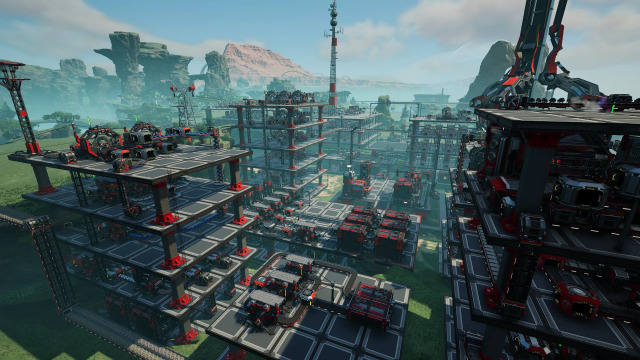
For this exact reason, while SAR is a fantastic alternative for online multiplayer action, I still heavily encourage my own kids to spend time with fully self-contained sandboxes like Slime Rancher (1 and 2) or Satisfactory. If I were ever to write a genuine, unadulterated love letter to a video game, those complete, consumer-first titles would be the true contenders.
The Practical Stuff
Even when a game is built ethically, implementing proper safeguards ensures a completely safe, low-stress, and healthy environment for your child. If your child is playing on a PC or a handheld device like the Steam Deck, you can use built-in parental features to establish solid digital guardrails:
- Activate Steam Families: Configure your child's account as a designated Child Account under your Steam Family. This gives you a remote dashboard on your own phone or PC to seamlessly monitor play times.
- Set Playtime Guardrails: Avoid daily arguments by using Steam’s built-in scheduler to set explicit daily time limits, such as limiting weekday play to 1 hour.
- Turn on "Purchase Requests": To completely block accidental, unauthorised, or impulsive credit card charges, activate purchase requests. If your child wants to buy S.A.W. Tickets, they must click "Request," and you will receive a notification on your phone to approve or deny the microtransaction.
- Configure In-Game Chat: To shield your child from potential exposure to toxic online environments, enter the game's options menu and set the Text Chat to "Off" or "Team Only". Ensure you also turn the Profanity Filter "On".
There's a solid reason why the above seems heavily Steam / PC centric, and it's for good reason. The key take-away is to configure your chosen platform's safeguards.
A Piece of the Puzzle
Ultimately, Super Animal Royale stands out as an exemplary model of what ethical free-to-play game design can look like. It completely avoids the predatory, gambling-adjacent mechanics found in Roblox and successfully bypasses the high-pressure FOMO tactics of Fortnite. Coupled with robust parental controls, it provides a highly suitable, low-stress gaming experience for (in my instance) a 10-year-old.
At AllFamiliesSecure, we believe managing your family's digital footprint shouldn't be an ongoing battle. While finding ethical titles is a wonderful first step, securing your entire household network provides the ultimate peace of mind. Our Child Safe Networks solutions are designed to establish an invisible, automatic safety net across all your home devices, helping you manage screen time and filter out harmful content effortlessly.
Want to take the guesswork out of online safety? Book a free consultation with our Melbourne-based team today, or explore our full range of family safety solutions.