
Part rant. Part warning to other parents. The disappointment is real.
I'm sure you've been there too. You're trying to rush your child to bed and the "I just remembered" distractions (and hopeful bed time delays) get started. So here I am, it's my daughter who's revving up the distraction machine, I'm deflecting excuses like a champ until she drops this one "I've lost my Loops, can you find them?"
If you don't know what Loops are, they're ear plugs to help people who are sensitive to loud noise. They’re tiny, effective, and, unfortunately, very easy to misplace. I wasn't worried however - I don't need to be - I saw this coming - I put a bluetooth tracker on them.
So I deflect in my usual way "Have you brushed your teeth yet?" and as she wanders to the bathroom - no doubt looking for another distraction. Feeling a little smug for my foresight, I bust open the Find hub.
Device not seen for 7 days
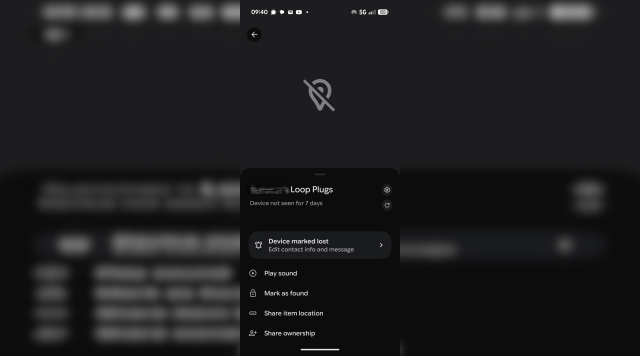
It's the digital equivalent of a blank stare. The same blank stare I received when my daughter came in (after brushing her hair for the 10th and not her teeth) and I asked her "when did you realise your Loops were lost?".
So here we are. No helpful pin on a map. In fact there is no map, no last known location, no breadcrumbs. Just a void where our $80 earplugs used to be. It turns out that when it comes to the "one job" these trackers have, there is a massive, week-long cliff that many Australian families are walking right off.
I've discussed these trackers before. But this is the first time I've run up against this limitation. Turns out they're great when they work and kind of useless when they don't.
Why so useless?
To answer this, first we need a small refresher on how the tags work. Contrary to what many people seem to think, there is no GPS in these tags. The logic behind Bluetooth trackers like Apple’s AirTag or the new Google Find My Device network is pretty brilliant in theory. They use a massive "mesh" of nearby phones to anonymously report the location of your lost keys, wallet, or child's backpack. In other words when your phone (or any one else's) sees a bluetooth tag, it simply phones home and says "I saw this tag, at this time and date and this was my location when I saw it".
If you're getting some big-brother vibes from the phoning home you're not alone. These tags have also inadvertently exposed a privacy over-reach that makes many iPhone and Android users uncomfortable. To help alleviate this there is a hidden expiry date on this location data that many of us don't realise exists until it's too late.
These privacy protections, while well-intentioned, create a "7-day cliff." If your device hasn't been "seen" by the network for seven days, the historical map data vanishes (or becomes inaccessible). You aren't just looking for a needle in a haystack; the app has effectively burnt the haystack and cleared the field.
For a busy parent who's relying on their child to at least let you know they've misplaced something, seven days is nothing. Your child could lose something on a Friday, spend a busy weekend at sport activities and birthdays, dive into a full week of school and after school activities only to realise their item is missing the following weekend. By then, the tracker has "timed out." This isn't a glitch, it's a purposeful design choice. By limiting how long location data is stored, tech giants protect user privacy and prevent long-term stalking. But for the dad trying to find some lost earplugs or the mum looking for a misplaced inhaler, it feels like a total betrayal of the product’s core promise.
When the industry standard is frustration
You might think switching from an iPhone to an Android (or vice versa) would solve the problem, but the frustration is remarkably platform-agnostic. Apple’s Find My network is famous for its "Send Last Location" feature, which sends the device's position to Apple when the battery is critically low. However, even this data has a shelf life.
Google’s recently updated Find My Device network follows a similar path. In an effort to compete with Apple’s density, Google now uses billions of Android devices to track lost items. But as many Aussie users have discovered, once that seven-day window closes, the map goes dark.
The most infuriating part is the lack of transparency. Most families buy these trackers for "peace of mind." We assume that if something goes missing, the history will be there waiting for us. Finding out that the history has a "use-by date" after you’ve lost the item is like using a lifejacket only to discover it doesn't float if it hasn't been used in the last 7 days. This is the wrong time to be finding out.
Why aren't there simple fixes?
Our mission at at All Families Secure is to help Families (it's kind of in the name). With this mission in mind we often look at technology through the lens of empowerment. Good tech should work for us, not make us do more mental gymnastics. The current system is reactive - it waits for you to realise there's a problem.
Imagine if Google or Apple sent a simple, proactive notification:
"Hey, we haven't seen your 'Loop Earplugs' in 5 days. Everything okay?"
A "5-day since last seen" alert would be a game-changer. It would give parents a two-day "buffer" to start the search before the data disappears forever. It’s a low-tech solution to a high-tech headache. It doesn't require more battery life or more invasive tracking; it simply requires the app to keep an eye on the calendar.
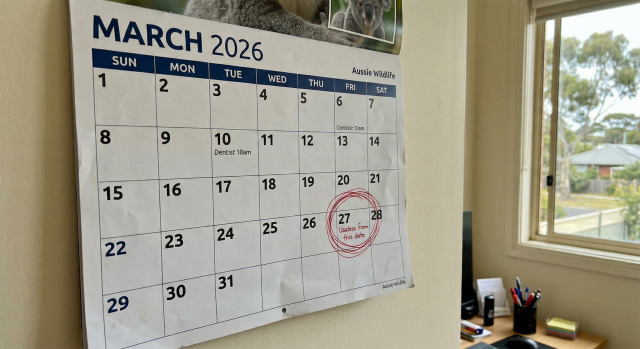
Google, Apple, if you read this - please implement this feature!
For families who are supporting their loved ones to live independently - where trackers might be used for things like medical kits or spare keys for elderly relatives - this kind of proactive alert isn't just a convenience, now it’s a safety requirement.
The Tile Alternative
If you’re looking for a way around the 7-day limit, you’ll likely find Tile. Owned by Life360, Tile has been in the game longer than Apple or Google. They largely owned this market before Apple turned up to eat their lunch. They do offer a 30-day location history, which sounds like the perfect solution to the "7-day cliff." However, it comes with several significant "buts":
- Paywall: To see that 30-day history, you have to subscribe to Tile Premium. For families already juggling Netflix, Disney+, and gym memberships, another monthly fee just to see where your own property is feels a bit rich.
- Battery: My own personal experience, and the reason I stopped using Tile was the overhead of running the Tile app with "Always On" location permissions (required for the best tracking). No matter how much every update promised to optimise battery consumption, it was consistently the single biggest "battery vampire" I had to contend with.
- Tile Network?: As Apple and Google have built tracking directly into the operating systems of billions of phones, third-party networks like Tile are naturally seeing a decrease in "detection density." If there aren't enough Tile users walking past your lost item, the 30-day history doesn't matter because there's no data to record in the first place.
In short, while Tile is trying to bridge the gap, it still doesn't feel like the "silver bullet" families were promised.
Reclaiming your Peace of Mind
Bluetooth trackers are a fantastic tool, but they aren't infallible. At All Families Secure, we believe in being "tech-smart," which means knowing the limitations of the gadgets we rely on. It's important to remember these devices are aids, not guarantees.
To avoid the "7-day cliff' we're suggesting a few house rules:
- Sunday Coffee & Trackers: Make it a habit to check your "Find My" app once a week (I personally will do this every Sunday morning - coffee in hand). The idea is to ensure your devices are checking in, before it's too late.
- Name your items: Don't give them names like "Tag1, Tag2, etc..". Clear names will help you identify what's what and what's missing.
- They may take our tags, but they'll never take our screenshots: If you notice an item is at a friend's house or a park, take a quick screenshot. If it falls off the cliff later, at least this way you'll still have the visual reference.
Technology should empower us to live with more confidence, not leave us frustrated at a blank map. Until the big tech companies realise that seven days isn't enough for a busy family, we have to be our own backup.
Want to learn more about keeping your family safe in the digital age?
At All Families Secure, we’re dedicated to helping Australian families navigate the complexities of modern technology. From securing your home network to ensuring your loved ones can live independently with confidence, we’re here to help.